How to Buy a Used Car in Florida: Dealer Fees Explained (With Real Examples)
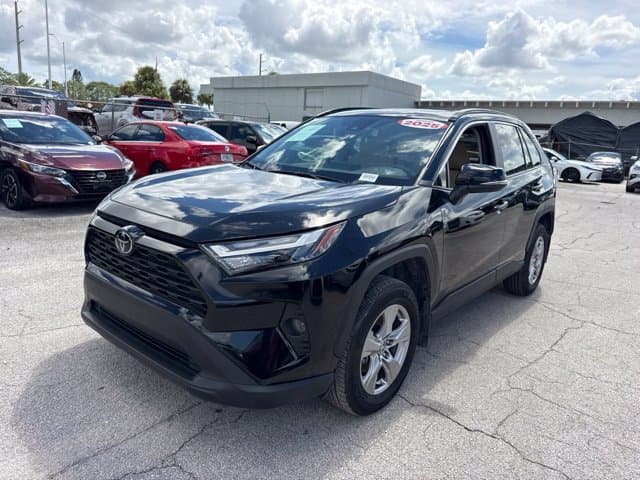
The price on the windshield is rarely the price you pay. In Florida, the gap between the advertised price and the amount you actually hand over is often $1,000 or more — and most of it is a single line item most buyers never budget for: the dealer fee.
This guide explains what Florida dealer fees are, which fees are real government charges and which are the dealer's own, and how to compare two cars by the only number that matters: the out-the-door price. Every example below uses real listings published on Clasmart, where the total price is shown with its breakdown.
What is a dealer fee?
A dealer fee — usually called a "doc fee," "dealer service fee," or "administrative fee" — is a flat charge the dealership adds for preparing the sale paperwork: the purchase agreement, the title application, and the filing with the DMV.
It is not a government fee. The money goes to the dealer, not to the state. That distinction matters, because it changes what you can do about it: you almost never get a dealer to delete the fee itself, but you can negotiate the vehicle's selling price down by the same amount, so the fee stops costing you anything extra.
Florida has no cap — and its fees are among the highest in the country
In some states the doc fee is capped by law — California caps it at $85. Florida does not cap it at all. Each dealer sets its own fee, and Florida dealers are among the most expensive in the United States.
Recent 2026 data from CarEdge, drawn from tens of thousands of verified out-the-door quotes, puts the average Florida doc fee at around $1,000 — the highest of any state. Other 2026 state-by-state guides put the typical Florida range at roughly $800–$1,200, with some dealers charging $300 and others more than $2,000. The exact number varies by dealer; the pattern does not: in Florida, the fee is large, legal, and almost always there.
That is why comparing advertised prices in Florida is misleading. A car listed at $34,500 with a $1,199 doc fee costs more than a car listed at $35,000 with an $85 fee — $35,699 versus $35,085. The "cheaper" car is $614 more expensive once the paperwork is counted.
Government fees vs. dealer fees: what you actually have to pay
Not every line on the buyer's order is negotiable. It helps to sort the charges into two piles:
Government charges — real, and mostly fixed. Florida sales tax is 6% statewide, plus a county discretionary surtax where it applies. The title fee for a new vehicle is $77.25; a title transfer for a used car already titled in Florida is $75.25. Registration varies by vehicle weight and age. These go to the state and your county — the dealer is only passing them through.
Dealer charges — the dealer's own, and the ones to watch. The doc fee is the big one. On top of it, some dealers stack an electronic filing fee (often $25–$100, sometimes several hundred dollars), a "tag agency" fee, dealer prep or pre-delivery inspection fees, advertising fees, and add-ons such as VIN etching, nitrogen-filled tires, paint protection, or fabric protection. Add-ons are where the largest surprises hide: when they are present, they can average over $1,000 per vehicle across verified quotes.
A useful rule: if a charge is for a service the manufacturer or the price already covers — pre-delivery inspection is the classic example, since the manufacturer already pays the dealer for it — question it. If a charge is a government fee, expect it, but check the amount against the state's published fee.
The only number that matters: the out-the-door price
Out-the-door (OTD) price = vehicle price + dealer fee + title and registration + dealer add-ons + sales tax.
Ask for that one number, in writing, before you compare anything. Two listings can only be compared once both are expressed as out-the-door prices. Anything else is comparing a price with a down payment on the real cost.
When you get the buyer's order, check it line by line: the vehicle price you agreed, one doc fee (not two charges for the same paperwork under different names), the government fees at the published rates, and no add-on you did not agree to. If a line does not make sense, ask what it pays for — and if the answer is vague, treat it as negotiable.
Real examples from Clasmart listings
On Clasmart, dealer listings show the total price with the dealer charges broken out in the description, so the comparison above is already done for you. Two real examples from our Florida inventory — you will find the same format across our Toyota, Chevrolet and other brand listings:
Toyota of Hollywood — a 2025 Toyota RAV4 XLE. The listing shows a total price of $32,416, including $1,528 in dealer charges. The fee is stated in the listing itself, not discovered at the signing table. You can compare that $32,416 total directly against any other RAV4 total — no extra math, no surprise at the end.
Gravity Autos Hollywood — a 2015 Lamborghini Aventador LP 700-4. The listing shows a total price of $387,694: a base price of $385,900 plus $1,794 in dealer fees. Same rule, same transparency, at the other end of the price range. The fee is $1,794 on a $385,900 car — about 0.5% — while on a $30,000 car a $1,000 fee is more than 3%. The fee hurts most exactly where buyers feel it most: on everyday cars.
These two dealers charge a single stated fee — $1,528 at Toyota of Hollywood, $1,794 at Gravity Autos — rather than stacking several small charges under different names. That is what a clean buyer's order looks like: one dealer fee, stated up front, in the listing.
A 5-question checklist before you sign
- What is the out-the-door price, in writing? If the dealer will only quote the vehicle price, walk away from the comparison until they put the total in writing.
- What is the doc fee, exactly? In Florida, expect roughly $800–$1,200. If it is far above that, the vehicle price needs to come down by the difference.
- Is anything charged twice? One paperwork fee, not a doc fee plus a separate "processing" fee for the same work. One prep charge, not prep plus PDI.
- Which add-ons are already in the price? VIN etching, nitrogen, paint protection, and appearance packages are the most common. If you did not ask for one, you should not be paying for it.
- Does the total match the listing? On Clasmart, the total in the listing is the number to hold the dealer to. If the buyer's order shows a different total, ask what changed — before you sign, not after.
Why we publish the total price
Clasmart's Florida inventory is built around cars, and cars are where hidden fees do the most damage. That is why our dealer listings show the total price with the dealer charges broken out — the $32,416 RAV4 and the $387,694 Aventador above are not special cases; they are how the listings are written.
The principle is simple: a buyer who can see the total price can compare honestly, and a seller who shows it earns the first sale faster. Hidden fees do not make a car cheaper. They make the buyer leave.
Browse used cars in Florida with the total price shown — Cars on Clasmart — or list your car free and show your own total price up front.
هل هذه المدونة مفيدة؟
0
0
مقالات ذات صلة
Cómo comprar y vender de forma segura en Miami: la guía de Clasmart
Comprar y vender cerca de ti es rápido y conveniente, pero unos hábitos sencillos hacen que cada trato sea seguro. Esta es la rutina que siguen nuestros usuarios más experimentados en Miami.1. Encuéntrate en un lugar público y concurridoElige una cafetería, la entrada de un centro comercial o el estacionamiento de una estación de policía con zona de intercambio seguro. De día es mejor, y llevar un acompañante nunca está de más.2. Busca el sello de verificadoLos
اقرأ المدونة
Vendedores verificados: qué significa el sello de Clasmart y cómo obtenerlo
En un marketplace, la confianza vende. Por eso en Clasmart cualquier vendedor puede verificar su identidad y mostrar el sello de verificado junto a su nombre en los anuncios, el perfil y los resultados de búsqueda.Qué significa el selloSignifica que la persona detrás de la cuenta confirmó tres cosas: su nombre legal, un documento de identidad oficial y una selfie sosteniendo ese documento. Nuestro equipo revisa cada solicitud antes de aprobarla.Cómo verificarte, paso a
اقرأ المدونة
How to Buy and Sell Safely in Miami: The Clasmart Guide
Buying and selling locally is fast and convenient, but a few simple habits keep every deal safe. This is the routine our most experienced Miami users follow.1. Meet in a public, busy placeChoose a coffee shop, a mall entrance or the parking lot of a police station safe-exchange zone. Daytime meetings are best, and bringing a friend is never a bad idea.2. Check the verified badgeSellers with the Clasmart verified badge have confirmed their identity with an offic
اقرأ المدونة